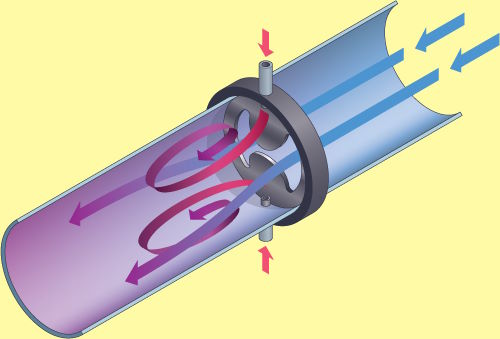
The static installation of mixers in industrial processes is a critical step requiring particular attention to safety aspects. Improper implementation or neglect of safety measures can lead to serious accidents and significant financial losses. This article examines the safety considerations prior to installing a static mixer and offers solutions for accident prevention.
1. Check the installation environment
One of the first steps in installing a static mixer is to carefully inspect the installation environment. Ensure the installation site is free of flammable materials, smoke, or hazardous gases. Furthermore, access to the installation location should be easy and unobstructed to allow for a quick response in case of emergency.
2. Staff training
All employees involved in the installation must receive the necessary training in safety and the use of personal protective equipment . This training includes learning about the hazards of the work environment, the correct use of tools and equipment, and familiarization with safety protocols.
3. Use of protective equipment
The use of appropriate protective equipment such as helmets, gloves, safety glasses, and safety shoes is essential for all employees. This equipment can be effective in preventing injuries from various accidents.
4. Check equipment and tools
Before starting the installation, all equipment and tools used should be checked and assessed. Ensure that all equipment is in good condition, functioning properly, and free of defects.
5. Creation of the plan and installation plan
A detailed plan and installation schedule can help avoid potential problems and errors. The plan should include all details regarding the installation location, the installation steps, and the timeline for implementing each step.
6. Check pressure and temperature
Static mixers are typically installed in high-pressure, high-temperature environments. Before installation, ambient pressure and temperature should be carefully checked to ensure the unit can withstand the environmental conditions.
7. Conducting preliminary tests
After installing the static mixer, preliminary tests must be carried out to ensure correct installation and proper operation of the device. These tests include checking for leaks, pressure, temperature, and the overall performance of the mixer.
8. Documentation
Documenting all installation steps and initial test results can serve as a reliable reference in case of future problems. This documentation should include details on the installation procedure, the equipment used, and the test results.
9. Conducting regular checks
After installation, regular inspections and maintenance of the static mixer can prevent potential problems and accidents in the future. These inspections should include checking the equipment, replacing worn parts, and performing functional tests.
10. Compliance with standards and regulations
When installing mixers in a fixed location, compliance with international and local safety standards and regulations is mandatory. These standards cover aspects such as electrical safety, environmental protection, and employee safety.
Diploma
By following the safety instructions before installing the static mixer, you can avoid accidents and serious problems. Paying attention to detail and adhering to standards and regulations can play a crucial role in the success of the installation process and the safe operation of the equipment.
If you have any questions or concerns about installing Static Mixer, I will be happy to help.