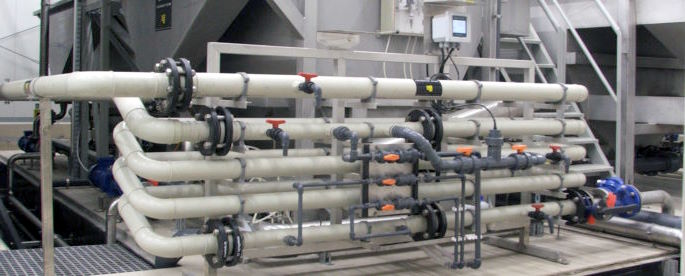
One of the properties of polypropylene is its higher heat resistance compared to PVC and polyethylene. Stationary polypropylene (PP) faucets are used in special applications.
introduction
Static mixers play a crucial role in a variety of industrial processes that require the mixing of liquids, gases and solids. Due to their simple and efficient design, they are used in a variety of industries. Polypropylene (PP) is one of the most widely used materials for the manufacture of static mixers due to its unique properties. Polypropylene.
Working Principle of Stand Mixer
Fixed mixer definition
A stationary mixer is a device for mixing materials without the use of moving parts. These devices consist of a set of stationary mixing elements located inside a tube or chamber.
Static Mixer Process
The stable operation of the mixer is based on the principles of fluid dynamics and fluid flow. The mixing elements inside the mixer are designed to divide the material flow into several smaller streams in an orderly manner and then combine them. This results in homogeneous mixing of materials.
Material: polypropylene (PP).
What is Polypropylene?
Polypropylene is a thermoplastic polymer used in a variety of industrial applications due to its unique properties. Polypropylene is known for its high chemical, thermal, and impact resistance. This material has excellent mechanical and chemical properties, making it an ideal choice for stationary faucets.
Properties of polypropylene (PP)
- High chemical resistance : Polypropylene is highly resistant to many chemicals and solvents, which helps to extend the life of faucets.
- Heat resistance : Polypropylene has high temperature resistance and the ability to work at various temperatures.
- Lightweight : Due to its low weight, polypropylene helps to reduce the overall weight of faucets and makes them easier to carry and install.
- Mechanical strength : Polypropylene has high mechanical strength and impact resistance, which contributes to the durability and efficiency of faucets.
- Does not absorb moisture : Polypropylene is water-repellent and does not absorb moisture, which contributes to improved performance and longer service life of faucets.
Static properties of a faucet with polypropylene (PP) material
1. Corrosion resistance
A distinctive feature of polypropylene static faucets is their high corrosion resistance. They withstand the chemical attack of various materials and prevent breakdown and damage caused by corrosion.
2. High precision
Static PP mixers provide high accuracy in mixing materials. They ensure homogeneity and uniformity of mixing, improving the efficiency and accuracy of the process.
3. Long life
Due to the excellent mechanical and chemical properties of polypropylene, stationary mixers made of this material have a long service life. This reduces the need for repair and replacement of mixers, reducing maintenance costs.
4. Stable operation
The PP stationary mixer has stable and reliable performance. It is able to work efficiently in difficult operating conditions and temperature fluctuations, ensuring uniform material feeding.
5. Compatible with various chemicals
Polypropylene is highly compatible with a variety of chemicals. This property allows stand mixers to efficiently mix a wide variety of chemicals, even corrosive and sensitive materials.
Stationary faucets with polypropylene (PP) material
1. Chemical industry
In the chemical industry, polypropylene static mixers are used to mix a variety of chemicals, including acids, bases, and solvents. The high chemical resistance and mixing accuracy of these mixers contribute to the efficiency and quality of chemical processes.
2. Petrochemical industry
In the petrochemical industry, stationary PP mixers are used to mix chemicals and additives in mining and processing processes. These mixers are widely used in this industry due to their high chemical resistance and ability to work in harsh environments.
3. Pharmaceutical Industry
In the pharmaceutical industry, polypropylene static mixers are used for mixing drugs and sensitive solutions. The high precision and chemical compatibility of these mixers contribute to improving the quality and safety of pharmaceutical products.
4. Food and beverage industry
In the food industry, polypropylene static mixers are used to mix additives and preservatives in production processes. They are especially useful in this industry due to their high chemical resistance and ability to operate at various temperatures.
5. Water and wastewater treatment
In water and wastewater treatment systems, stationary polypropylene faucets are used to mix chemicals such as chlorine, descaling agents, and antifouling agents. These faucets help improve water quality and reduce problems related to sludge formation and corrosion.
Advantages of using a static faucet with polypropylene (PP) material.
1. Improve efficiency and accuracy
Using a static mixer with PP helps to improve the efficiency and accuracy of mixing materials. These mixers ensure that materials are mixed homogeneously and evenly, which increases productivity and reduces waste.
2. Reduce maintenance and repair costs
Due to the high strength and durability of the PP stationary faucet, the need for repair and replacement is reduced. This contributes to reducing maintenance and repair costs, as well as improving economic efficiency.
3. Improved safety and reliability
The PP stand mixer offers high safety and reliability due to its high corrosion resistance and chemical compatibility. This reduces the risk of chemical spillage and mixer failure, ensuring stable and reliable operation.
4. Environmental compatibility
Polypropylene is a durable and sustainable plastic that is highly environmentally friendly. Using a static faucet when working with polypropylene helps to reduce the consumption of harmful chemicals and minimize environmental pollution.
Polypropylene (PP)
Polypropylene (PP) is a thermoplastic polyolefin that can have a different polymer chain structure depending on the polymerization conditions and the addition of ethylene copolymer. These special PP compounds have properties and characteristics that make them suitable for a wide range of pipeline applications.
The chemical resistance and mechanical properties of PP-H homopolymer pipes allow them to be used primarily in industrial piping. Random copolymer (PP-R) pipes are used in domestic hot and cold water systems due to their resistance to temperature and internal pressure. PP block copolymer (PP-B) has high rigidity, toughness, and excellent chemical and corrosion resistance, making it an ideal material for drainage and sewerage systems. Vinidex StormPRO® pipes are made of PP-B.
Common Properties of Pipe Materials
temperature
The pipes are highly temperature resistant. Long-term operation at temperatures up to 60°C and short-term operation at temperatures up to 90°C do not adversely affect the performance of StormPRO® .pipes
Air resistance
The pipes are made of compounds containing additives that make them resistant to UV rays and air during transport and storage.
Life expectancy
A recent TEPPFA study shows that designers, property owners and operators can be confident that polypropylene sewer systems will last at least 100 years if the materials, products and installation methods meet the necessary requirements.