In recent decades, the automotive industry has rapidly advanced the use of polymer materials. This trend not only reduces vehicle weight and improves fuel efficiency but also enables more complex designs, increasing durability and enhancing performance. Stationary mixers are indispensable equipment and play a key role in the production of polymer automotive components. Thanks to their simple design and high efficiency, they produce a homogeneous and controlled material mixture without an external energy source.
Due to the critical importance of mixing quality in processes such as extrusion, injection molding, painting, polymer modification, and synthesis, stationary mixers have become an integral part of automotive parts production lines. This article analyzes the design, performance, types, advantages, and applications of stationary mixers in the automotive polymer industry.
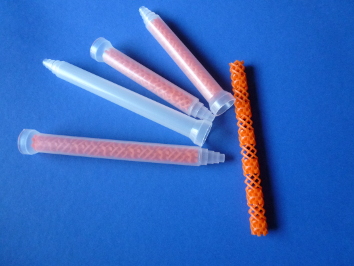
What is a food processor?
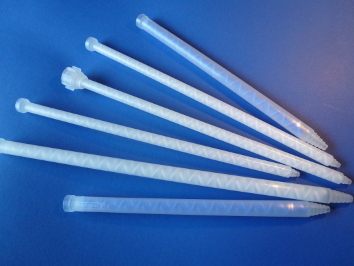
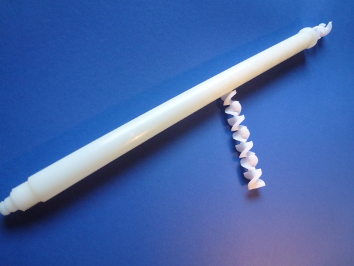
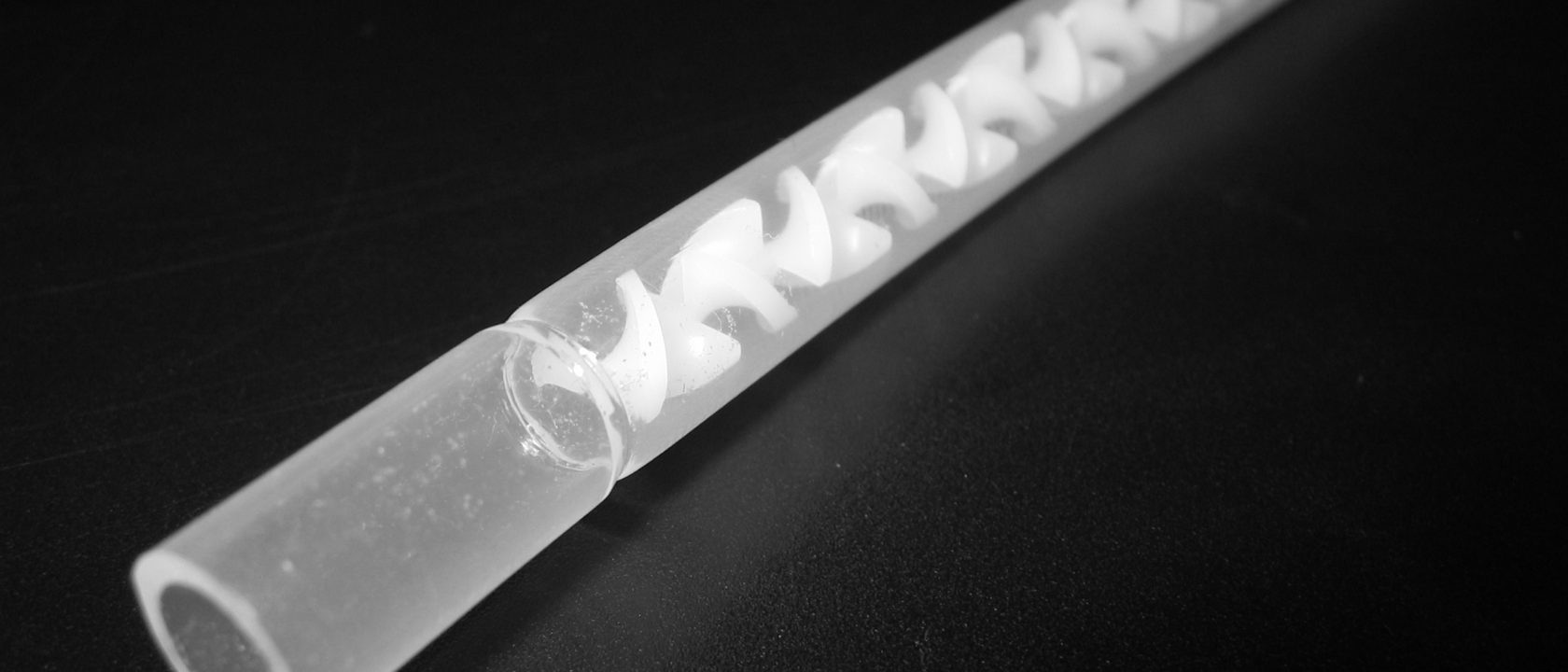
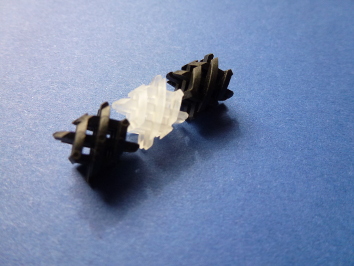
A stationary mixer is a device or component inside a pipe, chamber, or cylinder that mixes liquids or molten polymers using fluid dynamics. Unlike conventional mixers, this device has no moving parts and operates solely on the principles of fluid dynamics by separating and mixing flows.
As the molten polymer or additive passes through the plates or torsion elements inside the mixer, the liquid is successively separated, swirled, layered and finally mixed .
The result of this process:
-
The color distribution is more even.
-
The added ingredients mix more evenly.
-
Improvement of the quality of the final products
-
Improvement of mechanical and physical properties
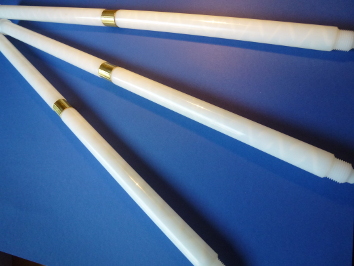
Design principle and operating principle of a stationary mixer.
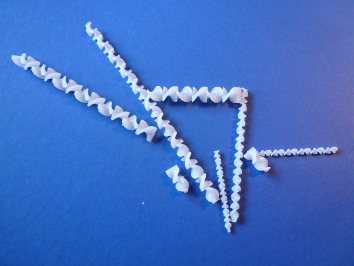
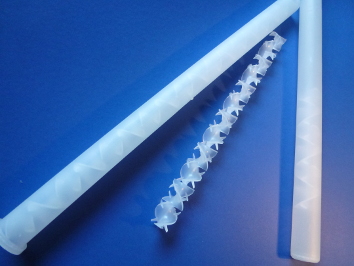
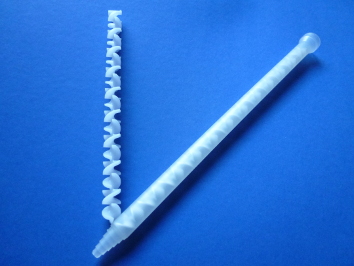
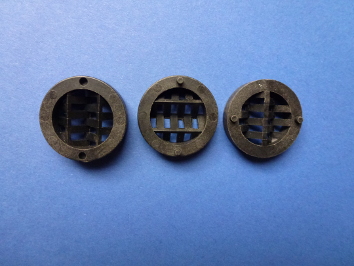
Stand mixers typically consist of a number of solid components, which come in various shapes. The most common designs include:
1. Screw element
These components are arranged in a spiral, both clockwise and counterclockwise. As the molten material flows through them:
-
The process is divided into two or more parts.
-
The direction of the current has changed.
-
Mix the ingredients and stir again.
2. Code or code set
In this type of construction, thin panels are attached at different angles to distribute and mix the materials along the path.
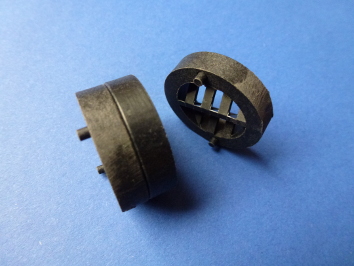
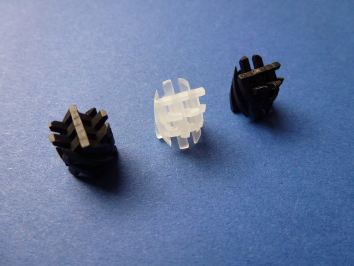
3. Network and comb elements
They are frequently used in polymer synthesis to achieve a more turbulent mixing effect.
Hybrid mechanism
The basic mechanism is implemented in the following three ways:
-
Traffic distribution
-
Rotation or twisting in a liquid
-
Merging and smoothing layers
For example, if the liquid is divided into two parts in each unit, then after n units the number of layers reaches 2ⁿ, and the mixture becomes highly homogeneous.
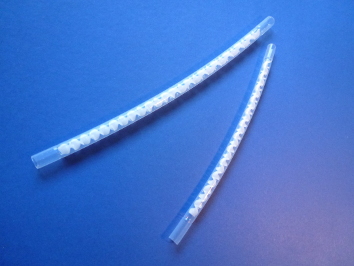
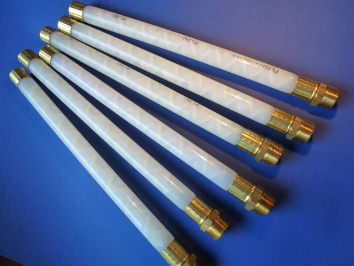

Use of stationary mixers in the production of polymer parts for automobiles
1. Mixing of masterbatch and color powder during the injection molding and extrusion process.
One of the most common applications of stationary mixers in the automotive industry is achieving a uniform color on parts, such as:
-
Panel
-
Sign
-
Ropes and straps
-
Interior design
-
Lamp holder
Since the product requires high quality standards regarding its appearance, any defects or color variations are readily apparent. A continuous mixer thoroughly blends the masterbatch with the base polymer, forming a multilayered structure through the melting process.
2. Improvement of polymer compounds
In the automotive industry, polymers are typically reinforced with the following materials to reduce weight and increase strength:
-
Fiberglass
-
carbon fiber
-
Nanoparticles
-
Lubricants
-
Antioxidants
A stationary mixer at the extruder outlet (post-mixing area of the screw) ensures an even distribution of the reinforcing material and prevents clumping and granulation of the fibers.
3. Reactive Induction Modeling (RIM)
For example, in the production of polyurethane parts for automobiles:
-
light armor
-
insulation
-
inside
-
buffer
Mixing the two components (polyol and isocyanate) is crucial. A stand mixer is ideal for quick and even mixing.
4. Manufacturing of car parts from PP and ABS materials
Many car parts, such as:
-
Front grille
-
passengers
-
comfort
-
Battery compartment
-
fan shelf
The most common materials are polypropylene and ABS. Additives such as UV stabilizers, antistatic agents, surface additives, and hardeners must be thoroughly mixed; a static mixer is ideal.
5. Two-component process (2K casting)
In the production of car headlights, some components are made from two different materials. A stationary mixer is required for precise control of the mixing ratio.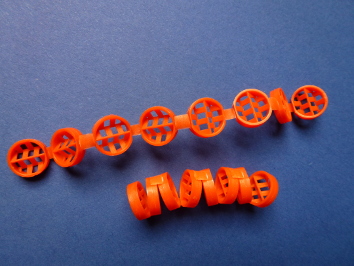
Advantages of stationary concrete mixers in the automotive industry
1. High uniformity and good surface quality.
The final quality of automotive parts, especially exterior parts, depends significantly on the homogeneity of the paint and additives. Stationary mixers make it possible to achieve this homogeneity with high precision.
2. Reduce the amount of gases and bubbles in the ingredients.
A homogeneous mixture reduces weak points, bubbles and cracks, which is particularly important for technical components such as polyamide air collectors.
3. Reduce the consumption of masterbatch and additives.
Because the base material is better distributed, this means that its consumption is lower.
4. Requires no power supply and requires little maintenance.
Because there are no moving parts:
-
Low consumption.
-
The repair costs are practically non-existent.
-
It requires no complex control elements.
5. Improvement of mechanical properties
The best mixing results can be achieved using the following methods:
-
Great Power
-
Reduction of residual stress
-
Increased thermal resistance
And so it will be.
6. Easy installation on existing pipes.
Stand mixers can be used without problems in:
-
Extruder outlet pipe
-
nozzle
-
liquid transport route
-
RIM system
Installation pending.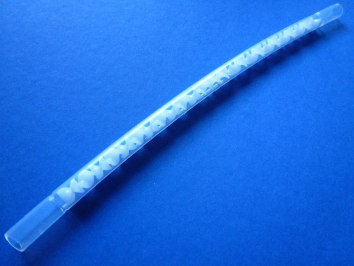
Types of stationary mixers used in automotive lines
1. Stationary metal motor
They are suitable for high-temperature environments and molten polymers and are typically made of tool steel or stainless steel.
2. Static polymer mixer
It is used in low-pressure and low-temperature processes such as mixing adhesives.
3. Braided components (SMX, SMXL, etc.)
They are used for mixing materials with high density and high viscosity.
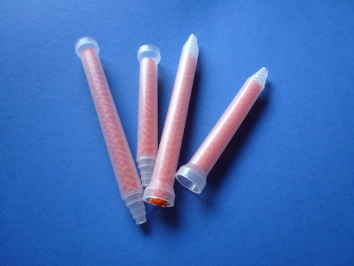
4. Disposable stand mixers
They are used in reaction processes, for example in two-component resins for the production of composite components.
The role of stationary mixers in improving overall equipment effectiveness and ensuring sustainable production
In the automotive industry, overall equipment effectiveness (OEE) is of crucial importance. Stationary mixers directly impact the following aspects by improving uniformity and reducing waste:
-
Reduction of production line downtime
-
Quality improvement
-
Lower incomes
This also leads to a reduction in the consumption of color masterbatch, which aligns with the principles of sustainable production and cost reduction.
Important points and considerations when using stand mixers
1. Increased drop in blood pressure
The presence of stationary components increases hydraulic resistance and pressure loss. Careful design is therefore crucial to avoid overpressure.
2. Incorrect choice of material or design
If the mixture is incompatible with the polymer, the following can occur:
-
Corrosion occurs.
-
Sediment formation
-
Reduction in average life expectancy.
3. Difficult to clean.
Some applications require a cleaning process that can be time-consuming.
How do you choose the right food processor?
Selection criteria:
-
Polymer type (PP, PA, ABS, PU, etc.)
-
Viscosity and process temperature
-
Purpose of mixing
-
Color
-
Additive
-
or a chemical reaction
-
-
Production line speed
-
Acceptable low blood pressure
-
Required materials
-
Machine type (injection molding, extrusion, RIM)
Important applications of automotive parts
-
PP sign
-
Instrument panel and ABS control unit
-
picture frame
-
Polyurethane insulation and shock-absorbing components
-
Polyamide pipes and manifolds
-
Interior design
-
Lightweight components
-
Polymer clamps and fasteners
-
Fan frame components and protective cover
In all these cases, the final quality depends on the homogeneity of the mixture .
In conclusion
Stationary mixers are among the most important pieces of equipment in the production of polymer automotive parts. This simple yet highly precise tool requires no electricity and has no moving parts, thus ensuring a uniform material mix. The end product is characterized by higher quality, a more consistent appearance, better mechanical properties, and less waste.
Given the increasing use of plastics in the automotive industry, stationary mixers will play a more important role in the future automotive industry than ever before.