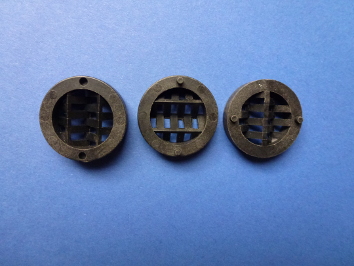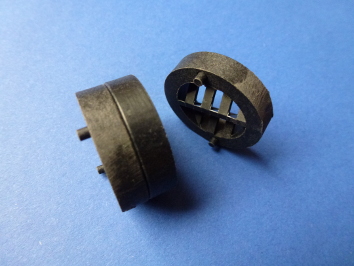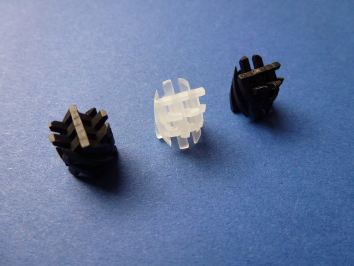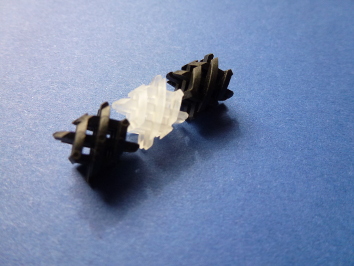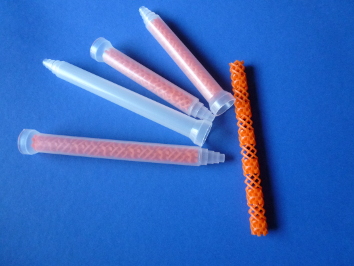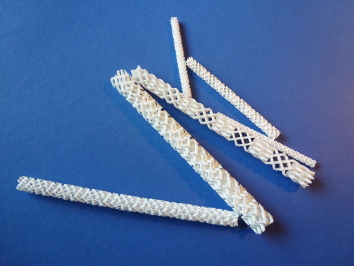
In the construction industry, producing consistently high-quality concrete is a major challenge. Concrete mixers play a key role in this effort, and new technologies such as stationary concrete mixers with interchangeable components are driving significant advances in this area. These types of concrete mixers are equipped with interchangeable internal components, allowing for greater flexibility and efficiency. In this article, we examine the advantages, applications, and functionality of this system.
 What is a food processor?
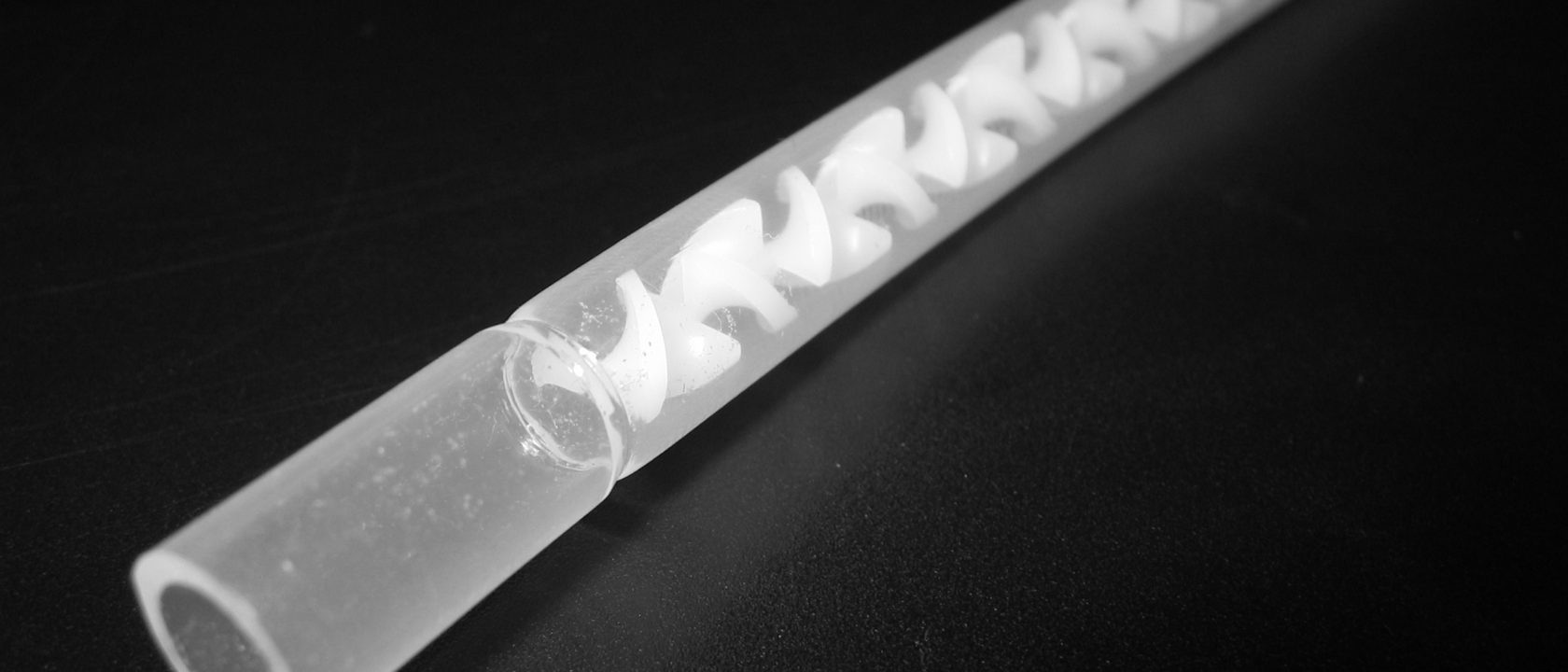
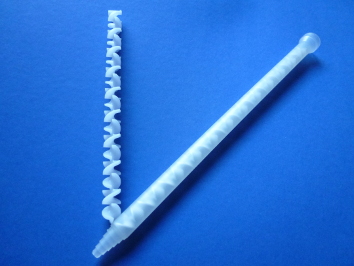
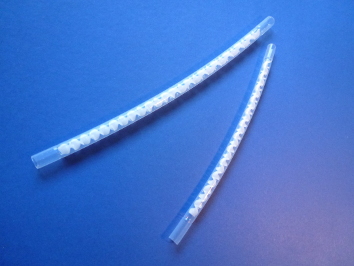
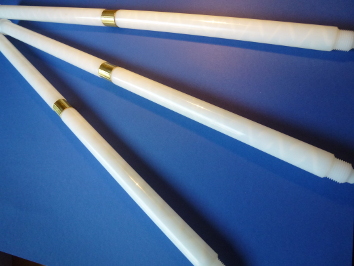
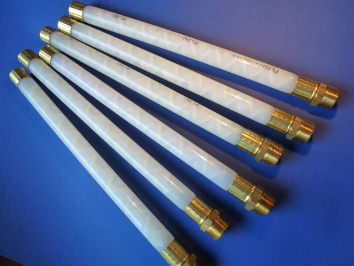
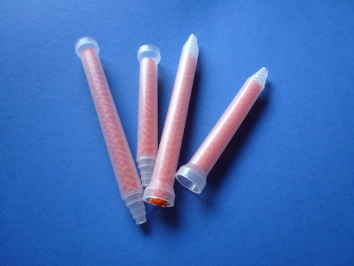
A stationary mixer is a device that uses specially designed internal tubes and paddles to mix materials without moving parts. These mixers are used in a variety of industries, including concrete, chemical, food, and pharmaceutical.
 Main features of a stationary mixer:
-
No motors or moving parts required (low consumption)
-
Low energy consumption
-
The ingredients are mixed evenly.
-
Can be used in continuous production lines.
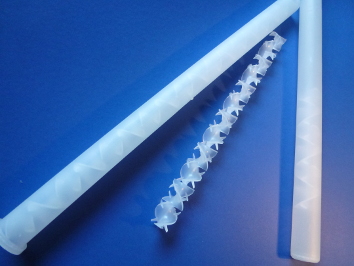 The concept of interchangeable components in stationary mixers
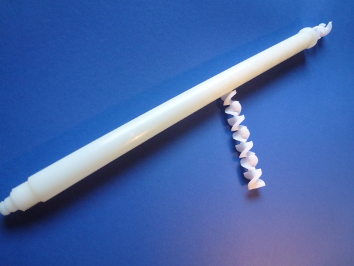
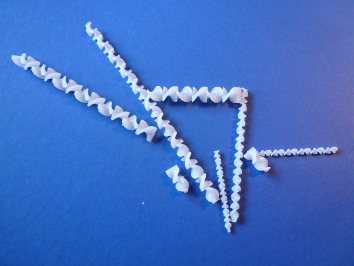
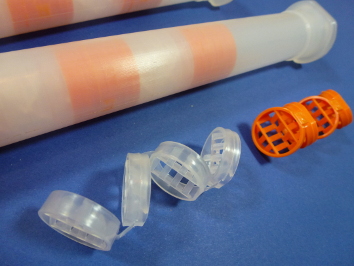
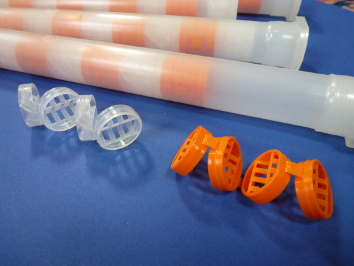
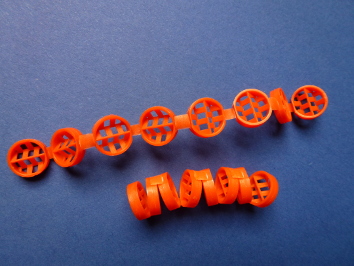
One of the latest developments in stationary mixers is the use of interchangeable components . These components (paddles or mixing plates) can be easily removed and replaced, allowing the mixer design to be changed without having to replace the entire system.
Advantages of interchangeable components:
-
Flexibility in the mixing process: By changing the ingredients, you can change the type and density of the mixture.
-
Low maintenance costs: In case of wear or damage, only the defective component needs to be replaced.
-
Compatibility with different materials: Suitable elements can be selected for different types of concrete (lightweight, heavy, fiber-reinforced concrete, etc.).
-
Extending the service life of the device: Timely replacement of components prevents wear and tear on the entire system.
Application of stationary mixers with interchangeable elements
This technology is used in many industries, but is particularly used in the concrete industry:
1. Production of ready-mixed concrete
In ready-mix concrete plants, mix consistency is crucial. Stationary concrete mixers with interchangeable components enable precise control of the mixing process.
2. Large construction projects
For projects that require large quantities of concrete, such as dams, bridges and tunnels, the system can continuously produce high-quality concrete.
3. Concreting under special conditions
For special types of concrete, such as self-compacting concrete (SCC) or refractory concrete , special elements can be installed to ensure optimal mixing.
4. Chemical and petrochemical industry
These mixers are also used in the production of chemicals, resins and composite materials.
A 1,000-word website article comparing fixed faucets with replaceable elements and conventional faucets.
| Special feature | Stationary mixer with interchangeable elements | Normal (dynamic) mixer |
|---|---|---|
| Energy consumption | A little | many |
| Maintenance costs | Down (replace elements) | Top (engine repair and spare parts) |
| flexibility | Top (Edit Element) | limited |
| Mixed monotheism | Great | Depends on speed and design. |
| Life | Longer (by changing the filter) | In short |
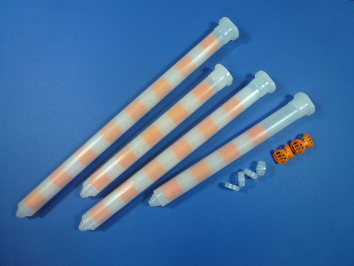 Operating principle of a stationary mixer with replaceable elements
-
Material supply: Raw materials (cement, water, raw materials, etc.) enter the system from one side.
-
Passing through the mixing element: The material flow passes the fixed blades and is divided into layers.
-
Uniform mixing outlet: After several mixing stages, the finished concrete is discharged on the other side.
-
Component replacement: Components can be easily replaced in the event of process changes or wear.
 Problems and solutions
Possible problems:
-
Lock components (when using adhesive)
-
A precise design of the elements is required for each type of concrete .
Solution:
-
Use of non-stick materials in the manufacture of components
-
Clean the system regularly.
-
Design of standard elements for different types of concrete.
 Conclusions and the future of interchangeable stationary mixers
Stationary concrete mixers with interchangeable components represent a paradigm shift in the concrete industry. They combine low energy consumption, flexibility, and low maintenance costs , making them a suitable alternative to conventional concrete mixers. With the advancement of materials and construction technologies, these systems are likely to become more widespread in the future and even find application in other industries.
If you want to improve concrete quality, reduce costs and increase productivity , a stationary concrete mixer with interchangeable elements may be the ideal choice.
 Conclusion:
New technologies such as stationary concrete mixers with interchangeable components demonstrate that the construction industry is evolving toward lower energy consumption, less waste, and higher quality . These systems produce higher-quality and more environmentally friendly concrete, contributing to the construction of longer-lasting buildings and more successful construction projects .