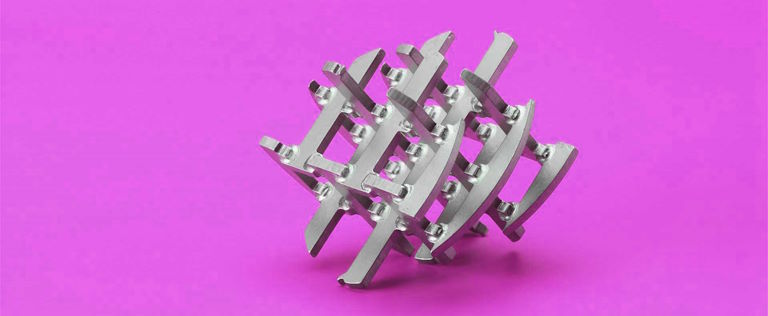
Stationary mixers are devices for mixing fluids in pipelines without moving parts. These mixers are characterized by their simple design, reliability, and high efficiency, ensuring their wide application in various industries such as the oil and gas, petrochemical, food, and pharmaceutical industries. The design and manufacture of these devices must comply with applicable standards such as ASME Section 8 (Boiler and Pressure Vessel Code) to ensure safety and efficiency.
In this article, we review the requirements of ASME Section 8 for the design and manufacture of stationary mixers and discuss the importance of compliance with these standards in various industries.
Chapter 1: Introduction to ASME Section 8
Section 8 of the ASME Boiler and Pressure Vessel Code (BPVC) is one of the most authoritative references for the design, construction, and testing of pressure vessels and associated equipment. This standard consists of two main sections:
-
Part 1: Design according to empirical rules for normal stress
-
Part Two : Designing with more detailed technical analyses for critical conditions and high pressures
Fixed mixers installed in pressure systems must be designed and constructed in accordance with this standard to ensure safety and optimum performance .
Chapter Two: Industrial Applications of Stationary Mixers
Stationary mixers are used in a wide variety of industries, including:
-
Oil and Gas Industry : Used for mixing fluids in pipelines, injecting chemicals, and improving refining processes.
-
Chemical and petrochemical industry : for mixing reagents, neutralization and pH control.
-
Food and pharmaceutical industries : Mixing raw materials with high precision and without contamination.
-
Water and wastewater treatment : Used to mix chemicals such as chlorine and coagulants.
Given the sensitive nature of these industries, compliance with design and construction standards such as ASME Sec. 8 is critical.

Chapter 3: ASME Section 8 Design Requirements for Stationary Mixers
Constant pressure mixers must be designed according to the requirements of ASME Section 8. The most important of these requirements are:
1. Material selection
-
The materials used must be compatible with the process fluid (corrosion-resistant, temperature- and pressure-resistant).
-
The most common materials include carbon steel, stainless steel and special alloys such as Hastelloy.
-
The materials are selected according to ASME Section II (Materials and Specifications).
2. Calculate pressure and temperature.
-
The design pressure and operating temperature should be determined according to the operating conditions.
-
The wall thickness of pipes and mixer components must be calculated according to ASME formulas.
3. Analysis of stress and fatigue
-
If the engine is subjected to repeated loading cycles, a fatigue analysis according to ASME Section 8, Division 2 is required.
-
For stress modeling, the use of engineering software such as ANSYS or SolidWorks Simulation is recommended.
4. Welding and inspection
-
All welds must comply with ASME Section IX (Welding Standards).
-
Non-destructive testing (NDT) methods such as UT, X-ray CT, CT and MT are crucial to ensuring weld quality.
5. Hydrostatic pressure test
-
After the mixer is manufactured, it must be subjected to a water pressure 1.5 times higher than the calculated pressure to ensure its strength and tightness.
Chapter 4: Benefits of Compliance with ASME Section 8 in the Design of Stationary Mixers
Compliance with this standard offers the following benefits:
 Increased safety : Reduced risk of explosions and leaks of hazardous fluids.
Improved quality : Improved design for greater performance and longer service life.
Worldwide certification : The motor can be used in international projects.
Reduced maintenance costs.
Chapter Five: Summary and Conclusion
ASME Section 8 is one of the most important standards for the design and manufacture of static pressure mixers. Compliance with this standard ensures the safety, efficiency, and longevity of these devices in a wide variety of industries.
If you are planning to design or purchase a stationary mixer, be sure to contact a manufacturer whose products comply with ASME Sec. 8 and have the necessary certifications.